Skip to content

Product Management

No-BS Product Management Workshops for Teams

Too much product training is theory your team will never use. Here is how a no-BS product management workshop works, and what it should include to build real skills.

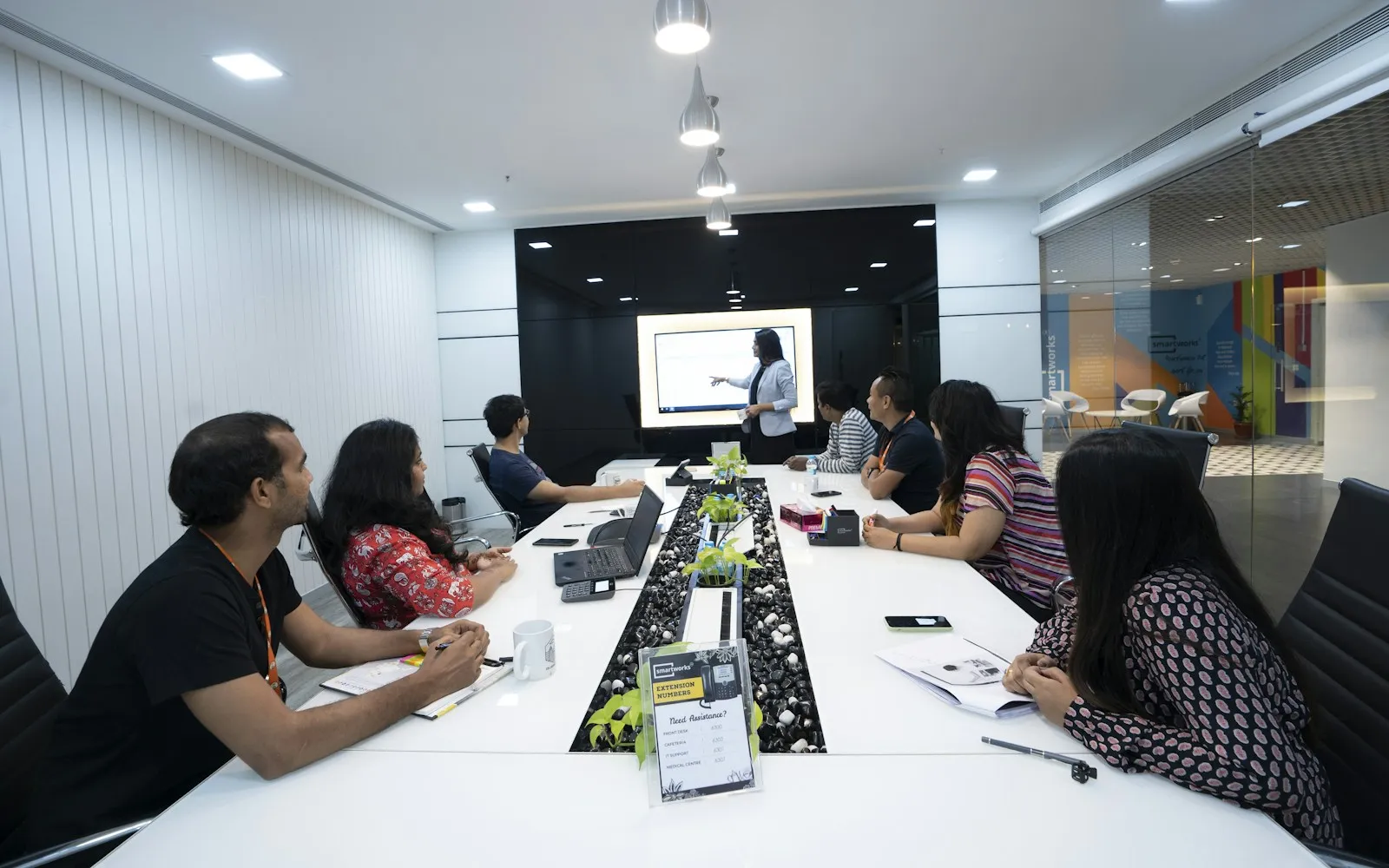
Woman presenting on a screen to colleagues seated around a long white meeting tableNo-BS Product Management Workshops for Teams

A no-BS product management workshop skips outdated theory and generic advice and teaches what product managers actually do: discover problems, decide what to build, launch it and learn from the results. Too many training programs spend their time on textbook definitions instead of the hands-on skills people need when deadlines are tight and stakes are high.

Traditional training often falls short because it is full of jargon and abstract concepts that do not prepare people for real problems. This article explains how to run a product workshop that is focused, practical and free of filler: what we call the no-BS approach.

Why Teams Need Practical Product Training

Product management combines strategic thinking, technical knowledge and people skills, and training should reflect all three. The role has also changed quickly. Many product managers now work on features powered by AI, where outputs vary and quality has to be defined and tested, not assumed. A workshop built on slides from five years ago will not prepare a team for that.

Focus on actionable skills rather than abstract concepts, and choose hands-on practice over passive listening.
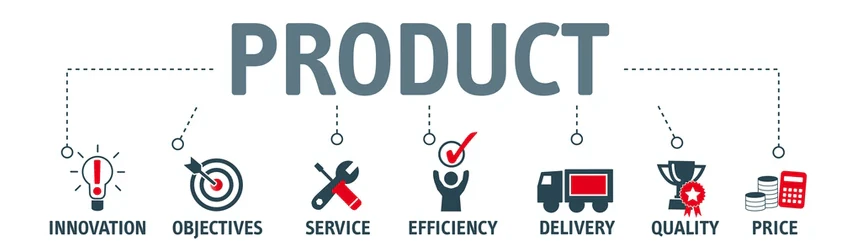
Icons for seven product priorities: innovation, objectives, service, efficiency, delivery, quality and price

Key Elements of a No-BS Workshop

An effective training workshop for product teams includes these five elements.

1. Clear Learning Objectives

Set specific, measurable objectives at the start, so participants know what they will gain and how it applies to their roles. Instead of a vague goal such as “understand product strategy,” aim for “build a product roadmap from real user feedback” or “write a go-to-market plan for a new feature.”

2. Hands-On Activities

Use exercises that simulate real situations, for example:

  • Case studies: analyze successful and unsuccessful product launches and pull out the lessons.
  • Role-playing: act out customer interviews and stakeholder conversations to practice communication and problem solving.
  • Working on your own product: apply each method to a problem the team is facing now, so the output is useful on Monday.

Design every activity so participants take part actively and apply each idea straight away.

3. An Interactive Learning Environment

Encourage open dialogue and collaboration. Keep groups small so everyone can contribute. Small groups build trust and allow deeper discussion, which is where much of the learning happens.

4. Content That Matches Today’s Product Work

Teach skills participants can use in their current roles, and update the content as the job changes. Classic tools such as backlog prioritization and personas still have a place, but only when they are grounded in real customer evidence rather than filled in as templates. Current topics worth covering include:

5. Feedback Throughout

Hold regular feedback sessions during the workshop, through peer reviews or facilitator-led discussions about what participants find useful or difficult. Feedback reinforces learning and lets trainers adjust the content to the group’s needs as they go.

What Teams Should Take Away

Good product training gives people practical skills they can use at work right away. Clear objectives, hands-on activities, current content and continuous feedback make a workshop worth the time. The no-BS approach also builds a culture of accountability and growth in product teams.

Bring a No-BS Workshop to Your Team

Our Masterclass programs, run with Ritors Product Nexus, include in-class sessions, workshops, bootcamps and corporate training tailored to your team’s projects. Teams working on AI features can start with the AI product management masterclass or the more intensive AIPM Bootcamp. Participants who complete a program receive a certificate of completion issued by Cyberdunes and Ritors Product Nexus.

Fees are customized for teams based on the number of seats. Public sessions, when scheduled, are listed on the Ritors Product School website. To discuss a program for your team, send us an enquiry.


FAQs

Questions, Answered

Can’t find what you’re looking for? Our team is happy to help.

What is a no-BS product management workshop?

A no-BS product management workshop skips outdated theory and generic advice and teaches what product managers actually do: discover problems, decide what to build, launch it and learn from the results. It focuses on hands-on practice and actionable skills rather than textbook definitions and jargon.

Why does traditional product management training fall short?

Traditional training often falls short because it is full of jargon and abstract concepts that do not prepare people for real problems. Programs built on old slides also miss how the role has changed, such as working on AI-powered features where outputs vary and quality must be defined and tested.

What are the key elements of an effective product workshop?

An effective product workshop has five elements: clear learning objectives, hands-on activities, an interactive learning environment, content that matches today's product work and feedback throughout. Together these make sure participants practice real skills and leave with something they can use at work right away.

How should workshop learning objectives be written?

Workshop objectives should be specific and measurable, so participants know what they will gain and how it applies to their roles. Instead of a vague goal such as "understand product strategy", aim for something like "build a product roadmap from real user feedback" or "write a go-to-market plan for a new feature".

What hands-on activities work well in product training?

Useful activities include case studies of successful and unsuccessful product launches, role-playing customer interviews and stakeholder conversations, and applying each method to a problem the team is facing now. Working on the team's own product means the workshop output is useful as soon as everyone is back at work.

Why should product workshop groups be small?

Small groups let everyone contribute, build trust and allow deeper discussion, which is where much of the learning happens. In large groups, quieter participants often stay passive. An interactive environment with open dialogue and collaboration helps people practice skills rather than just listen.

What topics should modern product management training cover?

Modern product training should cover agile delivery without unnecessary ceremony, data-informed decisions using analytics and experiments, and building with AI, including scoping AI features, defining good outputs and testing them. Classic tools such as backlog prioritization and personas still help when grounded in real customer evidence.

Why is feedback important during a product workshop?

Feedback reinforces learning and lets trainers adjust content to the group's needs as the workshop progresses. Regular sessions, through peer reviews or facilitator-led discussions, reveal what participants find useful or difficult. This keeps the training relevant instead of following a fixed script regardless of the audience.

Does Cyberdunes offer product management training for teams?

Yes, Cyberdunes Masterclass programs, run with Ritors Product Nexus, include in-class sessions, workshops, bootcamps and corporate training tailored to a team's projects. Teams working on AI features can start with the AI product management masterclass or the more intensive AIPM Bootcamp.

Do participants receive a certificate?

Yes, participants who complete a Cyberdunes Masterclass program receive a certificate of completion issued by Cyberdunes and Ritors Product Nexus. This applies across formats, including in-class sessions, workshops, bootcamps and corporate training tailored to a team's projects.

How much does team product management training cost?

Fees for Cyberdunes Masterclass team programs are customized based on the number of seats. Public sessions, when scheduled, are listed on the Ritors Product School website. Teams can send an enquiry through the Cyberdunes contact page to discuss a program and pricing.

Put It Into Practice

Want Help Putting These Ideas to Work in Your Business?