








Digital Experience Platforms
Separate tools for content, data and personalization slow teams down. Learn how a DXP (digital experience platform) helps hotels, spas, gifting brands and small businesses.
- 6
- Articles
- 10
- Categories
- 532,221
- Readers

Why Gifting Brands Are Betting on AI-Powered DXPs
Gift shoppers now ask AI assistants for ideas. See how an AI-native DXP helps gifting brands get cited in AI answers and personalize every occasion.Read Article
Enterprise DXP: What It Does and How to Choose One
What an enterprise DXP should do, results from Apex® customers, how to compare vendors and the change management pitfalls to plan for before you migrate.Read Article
DXP Software for Spas and Wellness Centers
See how a digital experience platform helps spas and wellness centers personalize visits, showcase packages, feature therapists and take bookings online.Read Article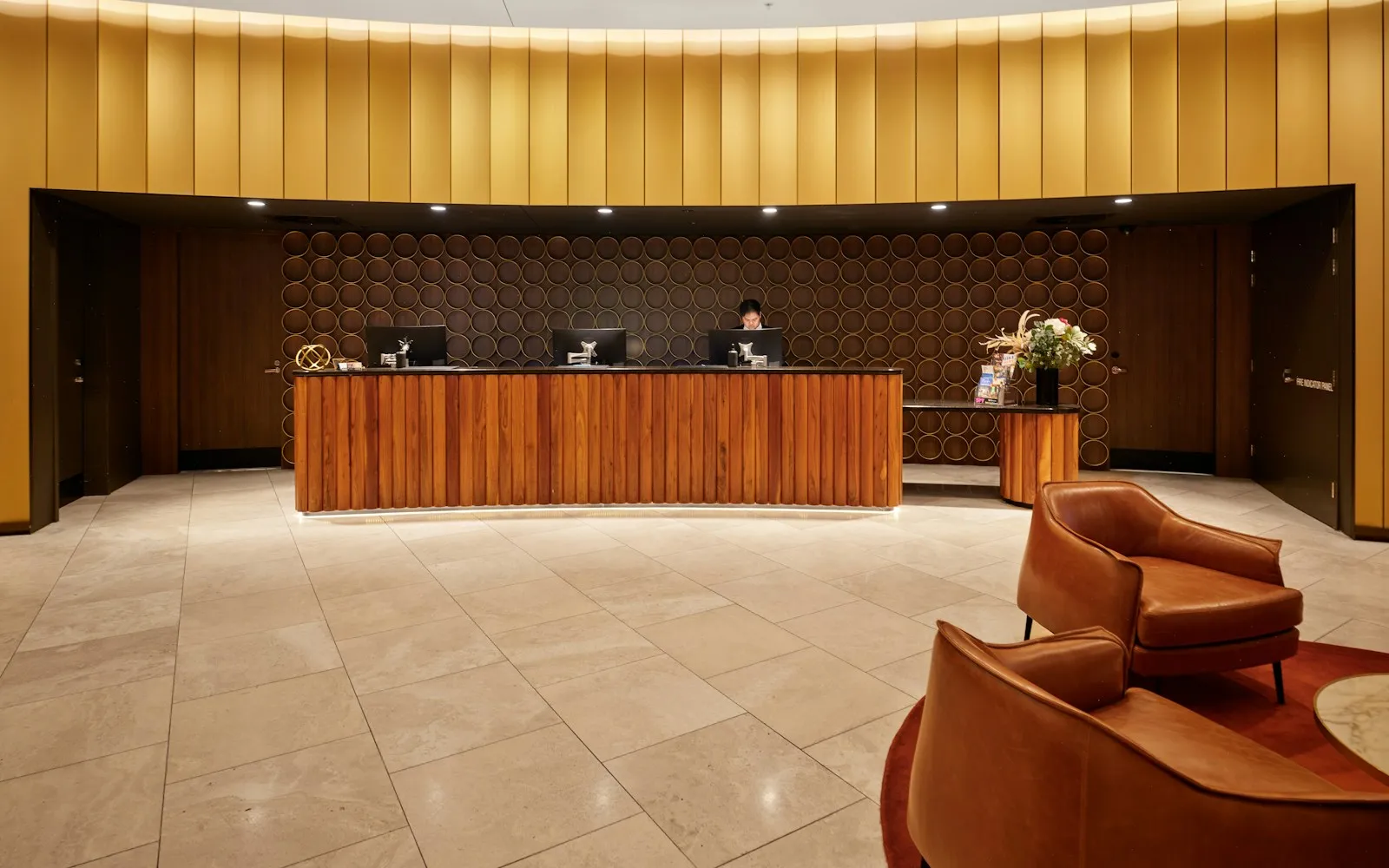
How a Customer Experience Management System Helps Hotels
Learn how a customer experience management system on a DXP helps hotels personalize stays, unify channels, simplify booking and act on guest feedback.Read Article
What Is a DXP? Features, Benefits and When You Need One
What a DXP (digital experience platform) is, the core features that matter, the benefits for marketing teams and the signs that you are ready for one.Read ArticleFAQs
Questions, Answered
Can’t find what you’re looking for? Our team is happy to help.
What is a digital experience platform (DXP)?
A digital experience platform (DXP) is software that brings content management, customer data, personalization and analytics together in one place. Instead of running a separate CMS, data tool and personalization tool, teams create, deliver and measure digital experiences from a single platform. That makes it easier to keep every channel consistent and act on what customers do.
How is a DXP different from a traditional CMS?
A traditional CMS mainly stores and publishes web content, while a DXP also manages customer data, personalization, analytics and delivery across several channels. A CMS answers how to publish pages, and a DXP answers how to run the whole digital experience. Many DXPs include a CMS as one of their core parts.
What kinds of businesses benefit from a DXP?
Any business that serves customers across several digital channels can benefit from a DXP. The Cyberdunes DXP guides cover hotels, spas and wellness centers, gifting brands, small businesses and large enterprises, because each faces the same problem of content, data and personalization living in separate tools. The right setup depends on size, channels and budget.
How does a DXP help hotels improve the guest experience?
A DXP helps hotels by combining guest data, content and booking journeys so each guest gets a consistent, personal experience. Paired with a customer experience management system, it supports tailored offers, simpler booking, messages before, during and after a stay, and action on guest feedback. Together these support satisfaction, loyalty and revenue.
Can a spa or wellness center use a DXP?
Yes, a spa or wellness center can use a DXP to personalize visits, showcase packages, feature therapists and take bookings online. Keeping service information, offers and booking in one platform makes the site easier for clients to use and easier for staff to update. It also keeps details consistent across the website and other channels.
Is a DXP affordable for a small business?
A DXP for a small business does not have to cost enterprise money. Price usually depends on the number of sites and users, the features and integrations you need and the level of support, so smaller plans can cover the essentials. Compare what each tier includes and ask vendors about setup, migration and ongoing costs before you buy.
What should an enterprise look for when choosing a DXP?
An enterprise should look for a DXP that scales across many sites, teams, languages and markets, integrates with existing systems and meets its security requirements. Compare vendors on real use cases rather than feature lists, and plan for change management, since a migration affects content teams, developers and approval workflows. Many pitfalls come from people and process, not software alone.
Why does a DXP matter for visibility in AI search?
A DXP matters for AI search because assistants such as ChatGPT, Gemini, Claude, Perplexity and Google AI Overviews recommend brands whose facts they can clearly read. When content, structured data and product details are managed in one place, they stay consistent across pages and channels. An AI-native DXP can also track whether AI answers mention or cite your brand.
What are the signs a business is ready for a DXP?
A business is usually ready for a DXP when teams juggle several disconnected tools, publishing changes takes too long, or customer data cannot be used to personalize experiences. Inconsistent information across the website, apps and listings is another common sign. If those problems slow growth, one platform can remove many of the handoffs.
What questions should I ask a DXP vendor before signing up?
Before signing with a DXP vendor, ask what each plan includes, what costs extra, how migration and onboarding work and what support you get. Also ask about security, data ownership, integrations with your current tools and how the platform handles SEO and AI search. Clear answers help you compare total cost, not just the headline price.
How does Apex® fit into the DXP category?
Apex® is an AI-native digital experience platform built by Cyberdunes. It combines a GEO-first CMS, AI content creation with quality checks, prompt tracking, citation and sentiment management across major AI engines, Schema.org JSON-LD, local listings, multilingual publishing, analytics and secure hosting. Teams publish, personalize and monitor AI visibility from one place.
Ideas Into Action