Skip to content

Digital Experience

How a Customer Experience Management System Helps Hotels

Guests expect personal, consistent service on every channel, but hotel data often sits in separate systems. Learn how a DXP-powered customer experience management system fixes that.

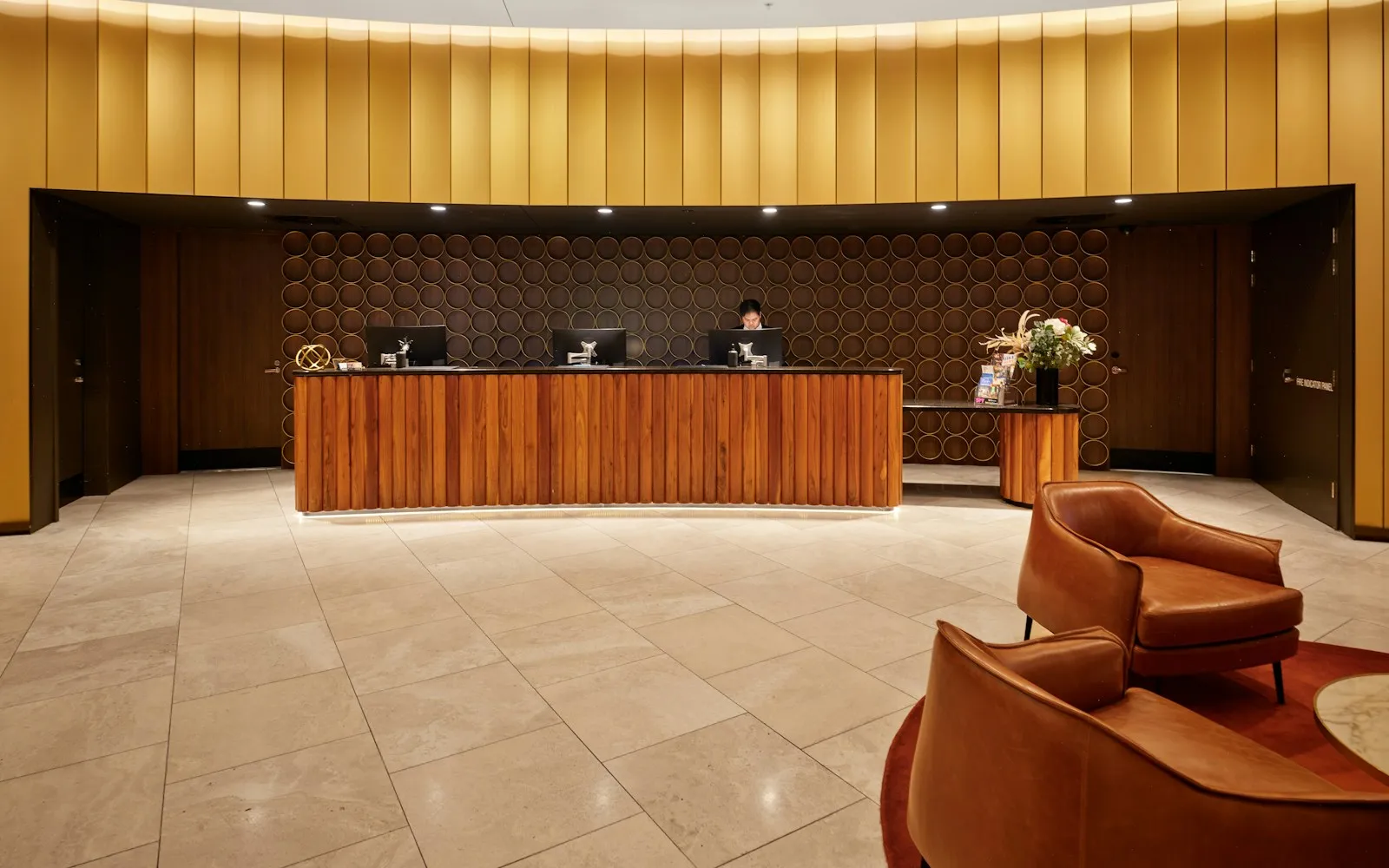
Hotel lobby with a curved wooden reception desk, gold panelled walls and leather armchairsHow a Customer Experience Management System Helps Hotels

A customer experience management system (CXMS) helps hotels collect guest data, personalize every interaction and improve service over time. Paired with a digital experience platform (DXP), it gives hotel marketers and decision-makers one place to manage the guest journey. This article explains what a DXP-powered CXMS does for hotels.

Understand Guest Preferences

A DXP-powered CXMS gathers and analyzes guest data so you know what each guest prefers. With that insight, hotels can personalize interactions, offer tailored recommendations and create experiences guests remember.

Personalization pays off. In Epsilon's consumer research, 80% of respondents said they are more likely to do business with a company that offers personalized experiences. Better personalization raises guest satisfaction, which drives loyalty and revenue.

Get Your Hotel on a DXP

Apex® is an AI-native digital experience platform built with design thinking, UX, UI and product expertise. It brings your website, content and guest data together in one place.

Get started

Consistent Omnichannel Experience

Guests reach hotels through websites, mobile apps, social media and in person. A DXP-powered CXMS keeps those interactions consistent across every channel, so guests feel recognized wherever they engage.

Guests notice when channels don't match. In McKinsey's research on the value of getting personalization right, 71% of consumers said they expect personalized interactions and 76% said they get frustrated when that doesn't happen.

Simplify the Booking Process

Booking is a critical touchpoint that shapes the whole guest experience. A DXP-powered CXMS can cut steps and friction from it.

By connecting to a central reservation system, the CXMS supports real-time availability, personalized pricing and tailored packages. You can then A/B test booking pages to see which version converts better. A simpler checkout flow removes friction at the moment a guest is ready to book.

Engage Guests Before, During and After the Stay

Proactive engagement sets hotels apart. A DXP-powered CXMS can automate personalized messages before arrival, during the stay and after checkout.

Based on each guest's preferences and past behavior, these messages can include room upgrade offers, restaurant suggestions and spa promotions. Relevant, timely offers give guests a reason to extend their stay or spend more during it.

Use Insights to Keep Improving

A CXMS on a DXP platform shows hotels where operations and guest experience fall short. By analyzing feedback, reviews and sentiment, you can spot recurring issues, make targeted fixes and track the impact.

Guests notice when a hotel acts on their feedback. A CXMS helps you listen, respond quickly and show guests you take their experience seriously.

Why Hotels Need a DXP-Powered CXMS

Hotels compete on experience. A DXP-powered customer experience management system helps you understand guests, stay consistent across channels, simplify booking, engage guests proactively and keep improving. Together, these raise satisfaction and loyalty and support revenue growth.

Guests also increasingly ask AI engines such as ChatGPT, Gemini, Claude, Perplexity and Google AI Overviews where to stay, so clear, structured hotel content matters more than ever. See how Apex® helps hotels get found and personalize every visit, read how The Majestic Suites used it, or get help from our GEO and page speed services.


FAQs

Questions, Answered

Can’t find what you’re looking for? Our team is happy to help.

What is a customer experience management system for hotels?

A customer experience management system (CXMS) helps hotels collect guest data, personalize every interaction and improve service over time. When it runs on a digital experience platform (DXP), hotel marketers get one place to manage the whole guest journey, from the first website visit to post-stay feedback. It replaces scattered systems with a single view of each guest.

How is a DXP-powered CXMS different from separate hotel systems?

A DXP-powered CXMS brings guest data, content and channels into one platform, while separate systems keep that information in silos. With everything connected, a hotel can recognize a guest on its website, app, social media and at the property. Separate tools make that consistency hard because no single system has the full picture.

Why does personalization matter for hotel guests?

Personalization matters because guests reward businesses that recognize their preferences. In Epsilon's consumer research, 80% of respondents said they are more likely to do business with a company that offers personalized experiences. For hotels, tailored recommendations and offers raise guest satisfaction, which drives loyalty and revenue.

What happens when a hotel's channels are inconsistent?

Inconsistent channels frustrate guests and weaken trust. In McKinsey's research on personalization, 71% of consumers said they expect personalized interactions and 76% said they get frustrated when that does not happen. A CXMS keeps interactions consistent across the website, mobile app, social media and in person.

How can a CXMS simplify hotel booking?

A CXMS simplifies booking by connecting to a central reservation system for real-time availability, personalized pricing and tailored packages. Hotels can then A/B test booking pages to find the version that converts better. A simpler checkout flow removes friction at the moment a guest is ready to book.

What guest messages can a hotel automate with a CXMS?

A hotel can automate personalized messages before arrival, during the stay and after checkout. Based on each guest's preferences and past behavior, these can include room upgrade offers, restaurant suggestions and spa promotions. Relevant, timely offers give guests a reason to extend their stay or spend more during it.

How does a CXMS help hotels act on guest feedback?

A CXMS helps hotels act on feedback by analyzing reviews, comments and sentiment to reveal recurring issues in operations and guest experience. Teams can then make targeted fixes and track whether they worked. Responding quickly also shows guests that the hotel takes their experience seriously.

What guest data helps a hotel personalize stays?

The most useful guest data reveals preferences and past behavior, such as previous stays, room choices, dining and spa use, and feedback. A CXMS gathers and analyzes this data so staff and automated messages can offer tailored recommendations. Collect it transparently and protect it, since guests expect their information to be handled responsibly.

Why does AI search matter for hotel marketing?

AI search matters because guests increasingly ask AI engines such as ChatGPT, Gemini, Claude, Perplexity and Google AI Overviews where to stay. Those tools recommend hotels whose content they can clearly understand. Clear, structured hotel content with consistent facts across channels makes a property easier to recommend.

How does Apex® help hotels manage the guest experience?

Apex® is an AI-native digital experience platform that brings a hotel's website, content and guest data together in one place. It supports personalization, structured content for search and AI engines, and analytics, so hotels can get found and tailor each visit. The Majestic Suites is one hotel that used Apex® to unify its guest experience.

Put It Into Practice

Want Help Putting These Ideas to Work in Your Business?