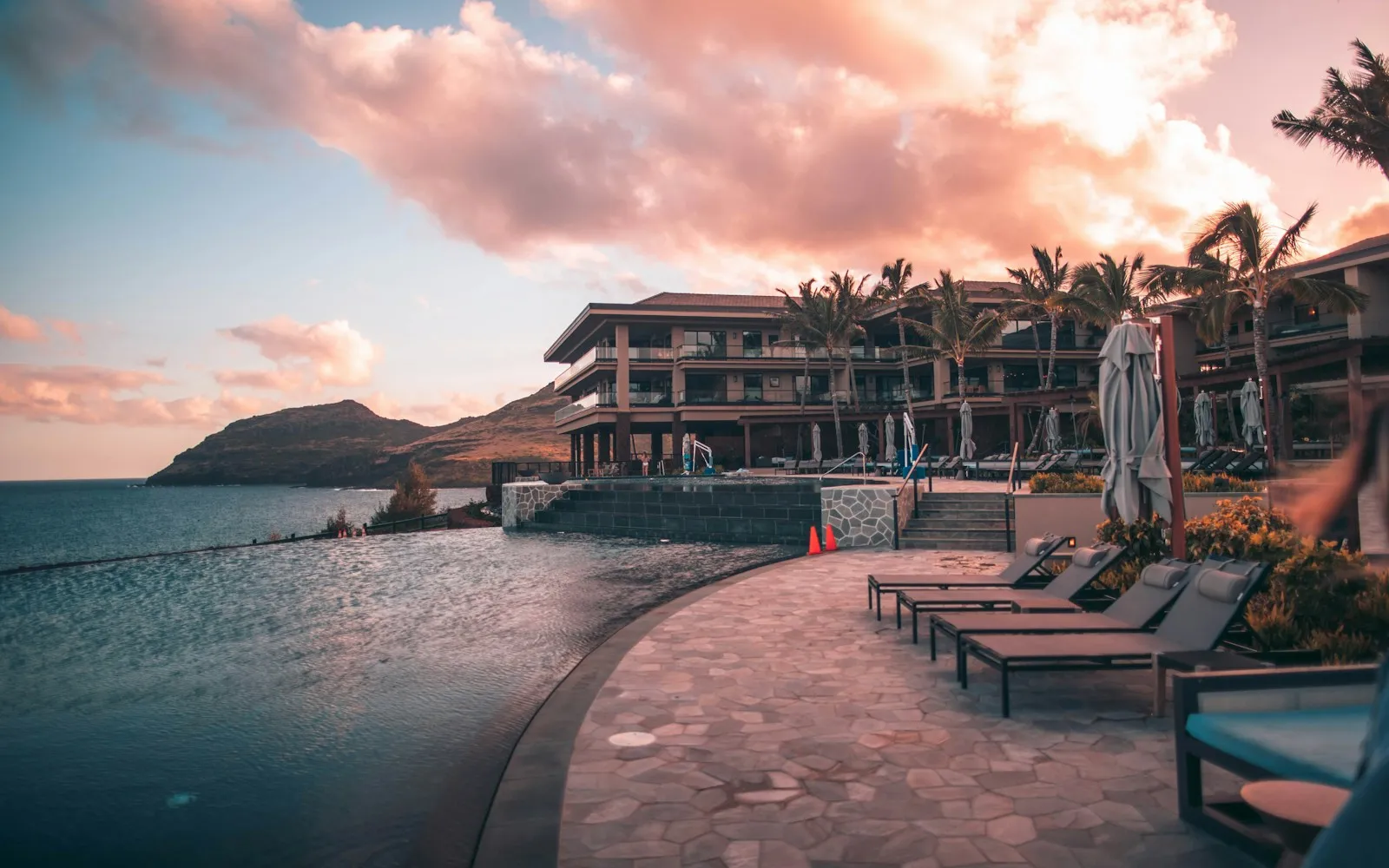
Luxury hotels are not really selling rooms. They are selling identity, memory and belonging. Yet many branding strategies still stop at square footage, thread counts or price per night, and that no longer resonates with the modern luxury traveler.
A redefined hotel branding strategy fixes this. The most successful luxury hotels sell transformation, not amenities. Guests don't cross oceans for room features. They come to feel changed, to leave lighter, richer and more fully themselves.
Why Is the Old Playbook Fading?
Features no longer differentiate. Traditional hotel marketing leaned on king-sized beds, high thread counts, spa access or price advantages. These still matter, but a wealthy traveler can find a plush bed in any global city. What sets properties apart is how deeply they connect with guests' sense of identity and aspiration.
Modern travelers want experiential travel: moments they can carry home, stories they can tell and memories that last after checkout. Relying only on discounts or amenities in your hotel branding strategy risks turning your property into a commodity.
From Features to Feelings
The shift in luxury hospitality comes down to three pivots:
- Don't describe features; paint feelings. Guests don't remember the size of their balcony. They remember sipping champagne at sunset over the ocean.
- Don't market amenities; curate moments. A pool is just a pool until it becomes the setting for a candlelit midnight swim.
- Don't sell nights; sell new versions of your guest. The stay should feel like a chapter in their personal story, not a stopover.
Hotels that follow this approach build branding strategies on emotional storytelling and transformational travel.
Stories Over Stays: What Leading Hotels Do Differently
Leading luxury properties, from independent boutiques to global icons, market narratives, not beds and breakfasts. They focus on three things:
- Identity-driven branding: Positioning the hotel as an extension of the guest's lifestyle. (Think: “the hotel for dreamers,” “the playground for innovators,” or “a sanctuary for seekers.”)
- Memory-focused campaigns: Centering marketing on experiences that create belonging, such as bespoke culinary journeys, curated art walks or intimate cultural encounters.
- Belonging and community: Encouraging guests to see themselves as part of a story, not as customers, even after they leave.
This is a subtle but major shift in hotel branding strategy: away from “what we offer” and toward “who you become by staying here.”
What Is the Business Case for Selling Transformation?
Guests who feel transformed become loyal advocates. They share stories, not specs. They post Instagram reels about the memory, not the mattress. They return because the hotel has become part of their identity.
For hotel executives, that means higher guest lifetime value, stronger brand differentiation and resilience in a crowded luxury market.
From Price to Presence
The future of luxury hospitality belongs to hotels that sell presence, not price. Amenities may fill rooms, but transformation builds brands.
When you shape your hotel branding strategy, don't ask: “What do we offer?”
Instead, ask: “Who does our guest become by staying here?”
Make Your Story Easy for AI Assistants to Recommend
Your story also has to be easy to find. Travelers now ask AI assistants such as ChatGPT, Gemini, Claude, Perplexity and Google AI Overviews where to stay, and those tools recommend properties they can clearly understand. A brand built on experiences needs those experiences described in plain, specific language:
- Name the experiences. Give each signature experience its own page that says what happens, where, when and who it suits.
- Keep the facts consistent. Room types, amenities, policies and locations should match across your website, booking engine and listings.
- Use structured data. Hotel, room and offer schema help AI engines and search engines read the same facts your guests see.
- Answer real questions. "Is this a good hotel for a quiet anniversary?" deserves a direct answer on your site.
See how The Majestic Suites unified its guest experience with Apex®, and how our GEO (generative engine optimization) services combine data with storytelling so travelers can discover you.