
The digital marketing trends that matter most right now all come back to one shift: buyers increasingly get answers, recommendations and even shortlists from AI before they reach your website. Social commerce, interactive content, chatbots, creators and video still matter, but each has changed shape. Here are five trends marketing leaders should act on, with the evidence behind them.
1. AI Answers Are the New Front Page
Search results increasingly open with an AI-written answer. At Alphabet's Q2 2026 earnings, Sundar Pichai said AI Mode has passed 1 billion monthly active users since expanding globally, and Google has brought AI Overviews and AI Mode together into one Search experience.
That changes how much traffic a ranking delivers. In a Pew Research Center analysis of US adults' browsing, users clicked a traditional search result on 8% of visits when an AI summary appeared, compared with 15% when it didn't. Only 1% of visits included a click on a link inside the summary.
What to do: treat being cited in AI answers as a goal alongside ranking. That means clear entities, structured data, consistent facts and pages that answer real questions. This is the work of GEO (generative engine optimization). Our GEO checklist is a practical place to start.

2. AI Assistants Are Becoming a Shopping Channel
Shoppers now use AI assistants to research and compare products. Adobe Analytics reported that traffic to US retail sites from generative AI tools rose 693.4% year over year during the 2025 holiday season. It is still a smaller source of traffic than search, but it is growing quickly.
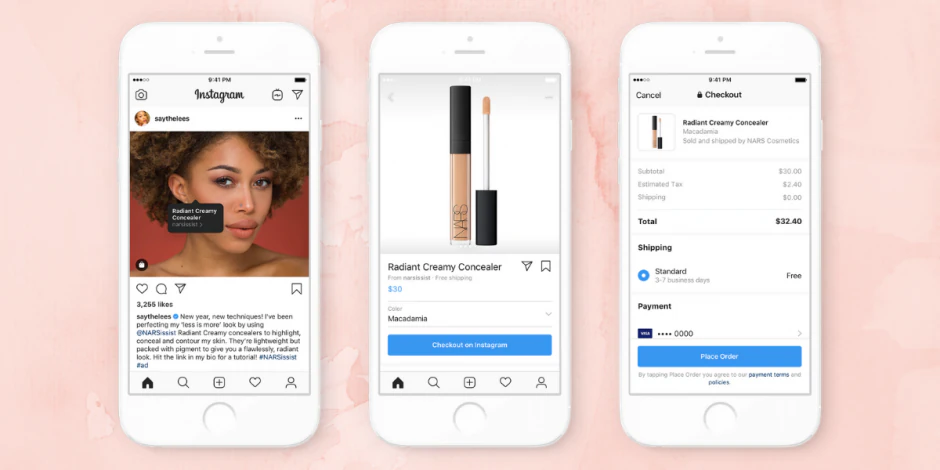
Shoppable posts were an early version of this idea: shorten the path from discovery to purchase. The newer version happens inside AI conversations, where an assistant recommends a handful of products and links to the stores that sell them.
What to do: make your product information complete and machine-readable, with prices, availability, delivery details and reviews in structured data, and keep those facts consistent across your site and marketplaces.
3. First-Party Data Still Wins, Even With Cookies Staying
For years, marketers planned for Chrome to phase out third-party cookies. That plan changed. Google decided to keep its current approach to third-party cookie choice in Chrome, and in October 2025 it announced it was retiring most Privacy Sandbox technologies, including the Topics API and Protected Audience, citing low adoption.
Cookies staying doesn't make them a strategy. Privacy regulation, browser restrictions elsewhere and consent choices all limit third-party data, while the data customers give you directly is more accurate and more durable.
What to do: give people good reasons to share data with you, such as useful tools, newsletters and accounts, and connect that data to your website so experiences can be personalized.
4. Conversational AI Is Replacing the Old Chatbot
Scripted chatbots that answered a few fixed questions have given way to assistants built on large language models that can understand open-ended questions. Customers expect quick, accurate answers at any hour.
What to do: ground any assistant on your own verified content, set clear limits on what it can promise, and make it easy to reach a person. The same clear, well-structured content that powers your assistant also helps external AI engines describe you accurately.

5. Creators and Short Video Need Real Trust
Creators and short-form video remain central to discovery, especially on Instagram, YouTube and TikTok. Our guide to how the Instagram ranking algorithm works explains what Instagram itself says it rewards, from watch time to shares.
Trust is under more scrutiny. Regulators now act on fake reviews and undisclosed endorsements: the US Federal Trade Commission's rule banning fake reviews took effect in October 2024, and India requires influencers to disclose paid endorsements. Read our analysis of astroturfing in marketing and of the AI impact on influencer marketing.
What to do: work with creators whose audiences genuinely match yours, disclose every partnership clearly, and measure results by sales and leads, not just views.

What Hasn't Changed
Interactive content such as quizzes, calculators and polls still helps buyers learn and gives you first-party data. Video still builds confidence before a purchase. And the fundamentals still decide results: know your audience, make your offer clear and measure what works.

Putting These Trends to Work
Most of these trends depend on the same foundation: a website that AI engines and people can both understand, with consistent facts and structured data, and a way to see how AI answers describe you. Apex®, the AI-native digital experience platform (DXP), lets you publish, track AI visibility and fix gaps in one place. If you want help, our GEO and page speed services can audit where you stand today.