
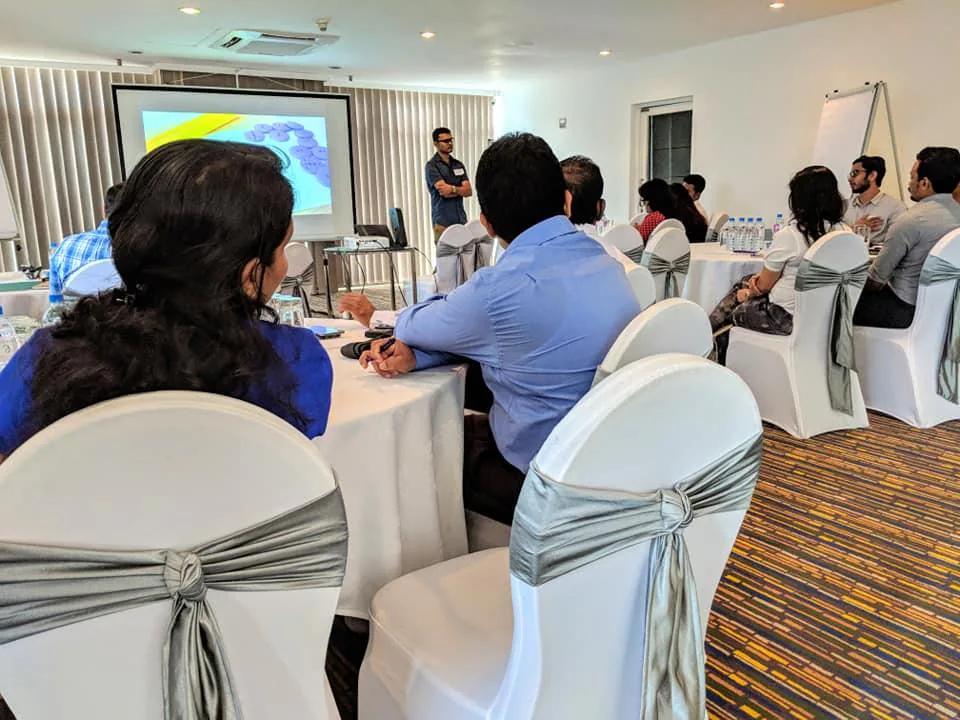



Drunk user testing is an informal usability method where an intoxicated adult tester tries to use your website while you watch or record the session. It works like other usability tests. The only difference is the tester’s state. The idea is simple: if your website is clear enough for a drunk user, it is probably clear enough for a tired, distracted or rushed customer on a phone.
You may think your site is easy to use. You won’t really know until someone with lowered patience tries it. If you try this method, run sessions responsibly, with consenting adult testers, in a safe setting and never as a condition of payment or employment.
Where Did Drunk User Testing Come From?
The best-known version is The User Is Drunk, a service launched in March 2015 by developer Richard Littauer, who reviews websites while drunk and records his reactions. The site still describes the service today. The idea caught on because it made a serious point in a memorable way: most people don’t use websites with full attention.
Does Drunk User Testing Work?
It can surface problems that polite, focused testers miss, but treat it as a gut check, not formal research. A single tester, drunk or sober, is one opinion. The value is in the obvious problems it exposes fast.
The first question is whether the tester can tell what your website is about and what you sell at a glance. Next, does the page feel welcoming, and is the next step obvious? Then, can they find the product, price or booking button without help? If the answers are no, your sober customers on a small screen are probably struggling too.

The test helps you answer questions such as:
- Is your homepage clear about what you offer and who it is for?
- Do you talk about product features, or about how they help your customers?
- Can visitors find what they came for without help?
- Do pop-ups, small buttons or long forms get in the way?
What Does the Approach Focus On?
It focuses on clarity. An easy-to-use interface keeps visitors on your site long enough to act. If your information is unclear, design around your visitors’ real attention span and redesign based on what the sessions show.
In a normal survey, people may not be fully honest. They often say what they think your company wants to hear. Drunk testers tend to share blunt reactions, which can give you clearer evidence for changes.
Benefits and Limits
The main benefit is finding what you missed. You can’t fix your website if you don’t know where it falls short, and a blunt tester shows you quickly and without filters.
The limits are just as real. Results from one or two impaired testers don’t represent your customers, the method raises obvious welfare concerns, and it isn’t suitable for sensitive products. You can get similar insight safely by testing with real customers on their own phones, giving people a time limit, or running a five-second test where testers describe your page after a brief look.
Use It Alongside Proper Research
Use any quick test alongside structured research, such as moderated usability testing and analytics. Our article on four UX shifts product teams can’t ignore explains how data and research work together, and our guide to the design thinking process shows where testing fits. If you want a structured review of your site’s usability, our UX and UI design team can help.