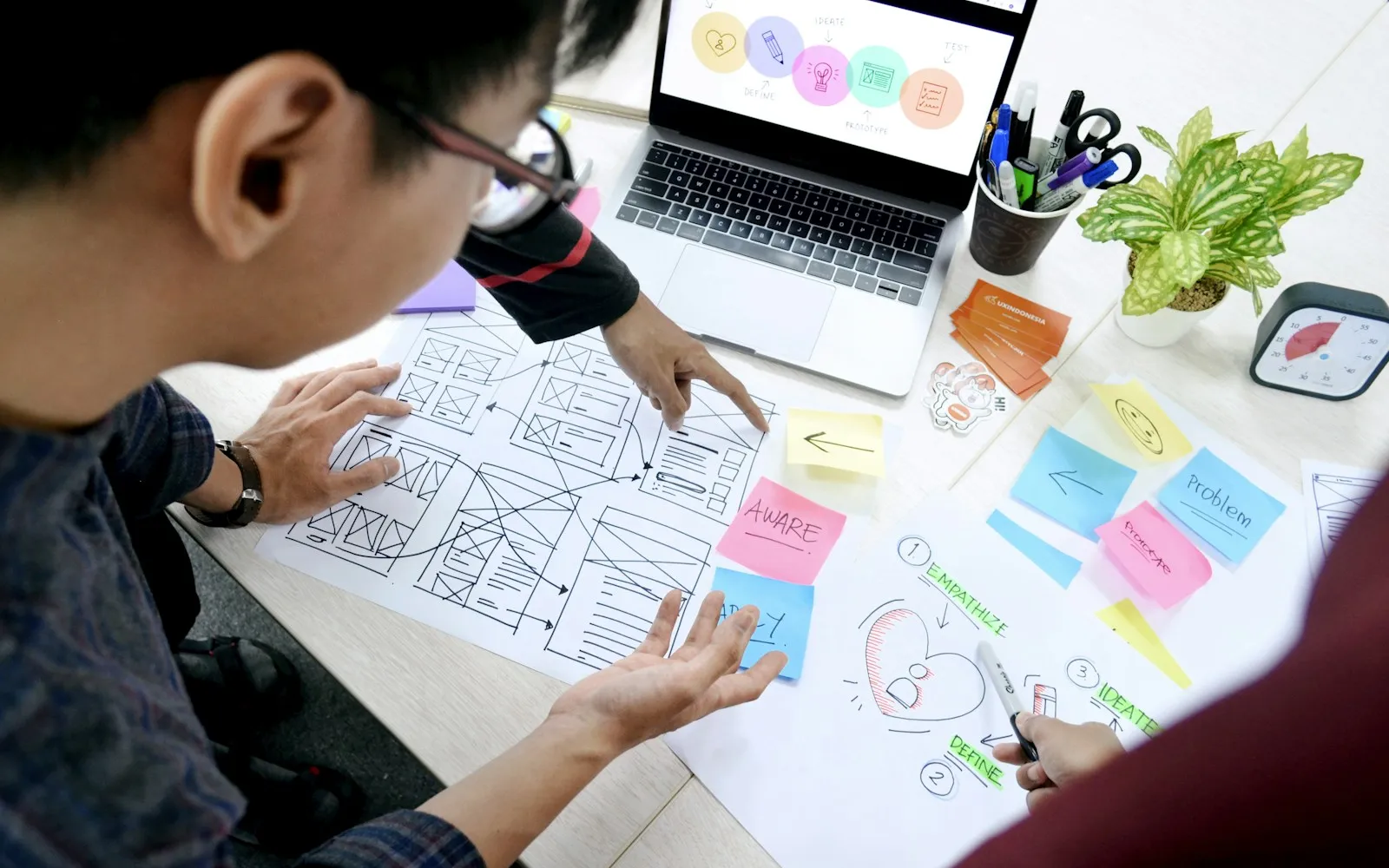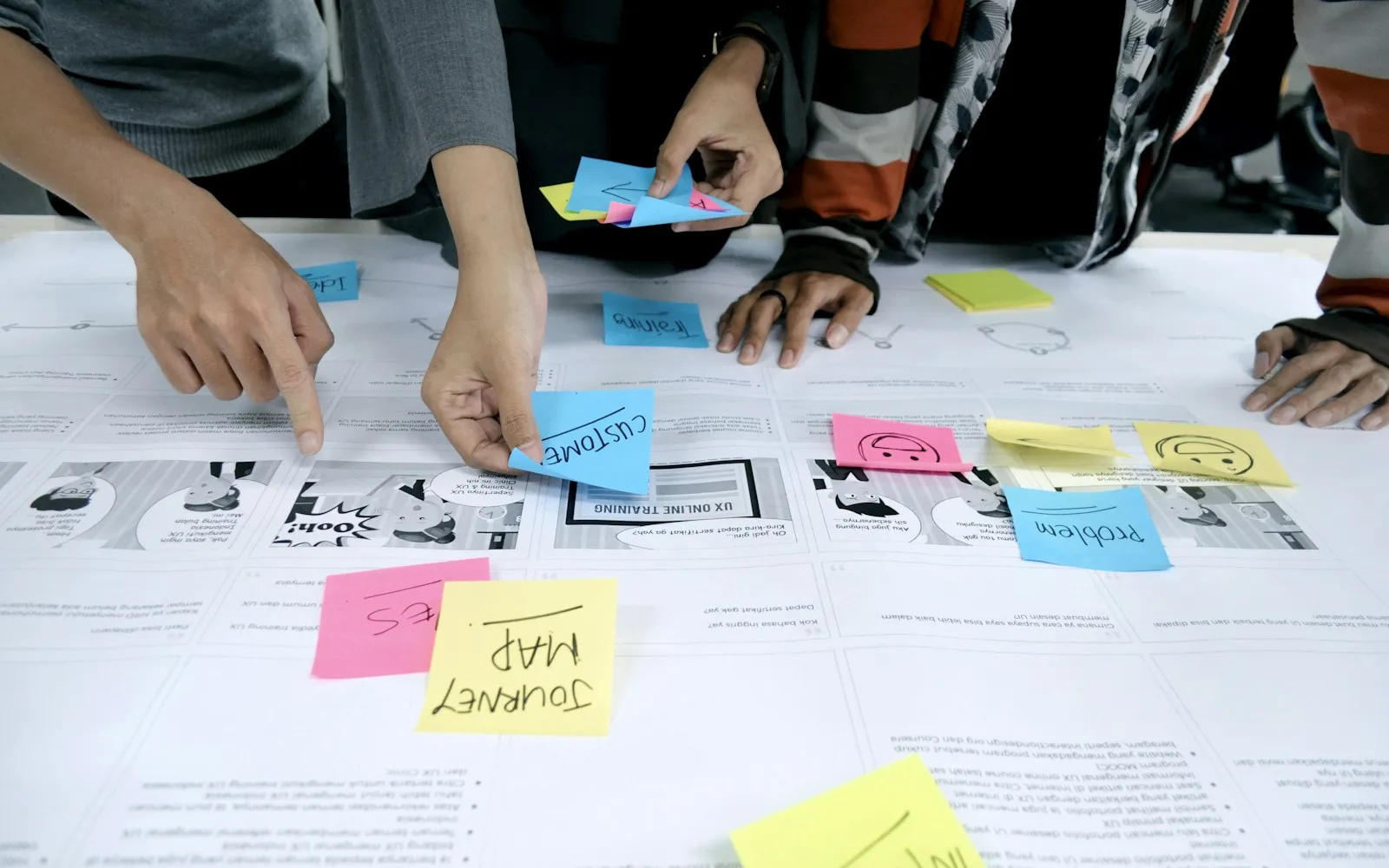
The design thinking process is a human-centered way to solve problems. Instead of starting with a solution, you start with the people who have the problem, then move through five stages: empathize, define, ideate, prototype and test. Engineering, healthcare, hospitality, software and public-sector teams all use it when a problem is complex and the right answer is not obvious.
What sets it apart from other problem-solving methods is the order of work. You learn about people first, agree on the real problem second, and only then generate and test ideas. That order protects teams from building something polished that nobody needs.
What Are the 5 Stages of Design Thinking?
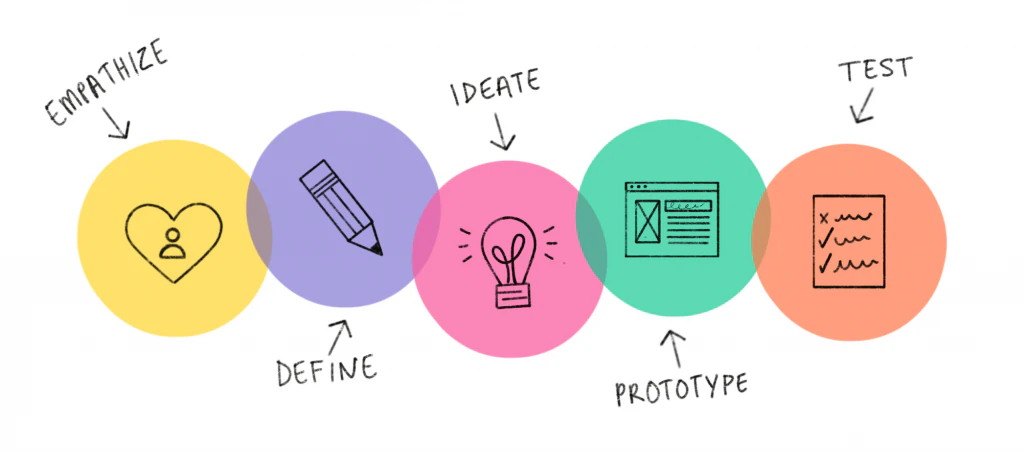
The five stages are empathize, define, ideate, prototype and test. The model was popularized by the Hasso Plattner Institute of Design at Stanford (the d.school), and some frameworks add a sixth step for implementation, such as the version described by Nielsen Norman Group. Treat the stages as a guide, not a strict sequence. The d.school itself now stresses that there is no single correct process (Stanford d.school), and teams loop back whenever testing shows they misunderstood something.
1. Empathize
Empathize means understanding what your customers or users need, in their own words. Interview people, watch them use your product or a competitor’s, and read support tickets and reviews. Talk to more than one type of user, because different groups often have different needs.
The output is a set of observations: what people do, what they say, and where the two differ.
2. Define
Define means turning those observations into a clear problem statement. Group what you learned, look for patterns, and write the problem from the user’s point of view. A useful format is: “[User] needs a way to [need] because [insight].”
A sharp problem statement keeps the rest of the work focused. If the team cannot agree on it, go back and learn more before you ideate.
3. Ideate
Ideate means generating many possible solutions. The goal is volume first and judgment later. Run a short brainstorm, sketch alone before sharing, and push past the obvious first ideas. Then vote on the few that best answer the problem statement.
4. Prototype
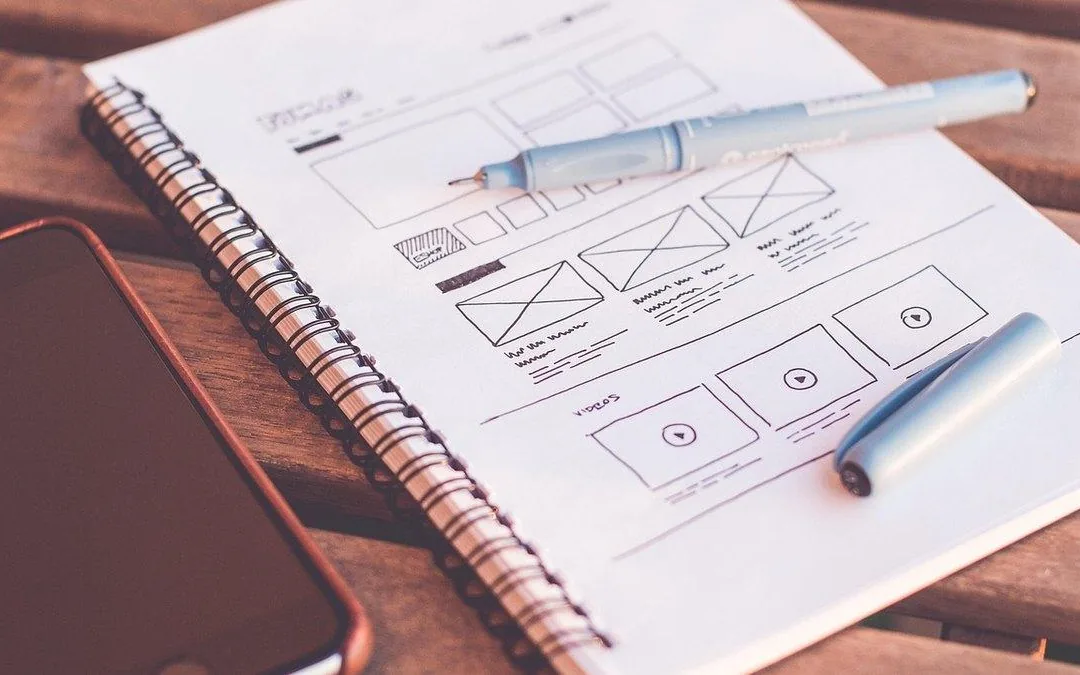
Prototype means turning the strongest ideas into something people can try. A prototype can be a paper sketch, a clickable mockup or a simple landing page. It is not a finished product. It only needs to be real enough for users to react to.
Keep prototypes cheap so the team is happy to throw them away.
5. Test
Test means putting prototypes in front of real users and watching what happens. Ask them to complete a task, stay quiet, and note where they hesitate. Don’t defend your ideas if users struggle. Use the feedback to refine the prototype, revisit the problem statement if needed, and run the cycle again.
How Does AI Fit Into Design Thinking?
AI tools can speed up parts of the process, but they cannot replace contact with real users. Used carefully, they help teams:
- Summarize research: cluster interview notes, survey answers and reviews into first-draft themes for a person to check.
- Widen ideation: suggest alternatives the team has not considered, as a starting point for discussion.
- Prototype faster: turn sketches or text descriptions into rough screens that are ready to test sooner.
The risk is skipping the empathize stage because a model can produce a plausible-sounding persona. A generated persona reflects patterns in training data, not your customers. Treat AI output as a draft and validate it with real people.
When Should You Use Design Thinking?
Design thinking is most useful when the problem is unclear, the users are varied, or earlier solutions have failed. Typical examples include redesigning a booking journey, launching a new service or fixing a page where visitors keep dropping off. For simple, well-understood fixes, it can be more process than you need.
It also pairs well with lightweight testing methods. Our article on drunk user testing shows one informal way to see your website through a distracted visitor’s eyes.
Where Can You Learn Design Thinking?
You can learn design thinking through online courses, books and hands-on workshops. The Interaction Design Foundation offers self-paced courses. For in-person practice with your team on a real problem, see our design thinking masterclass. If you would rather have experienced designers run the process with you, our UX and UI services team can help.
Design thinking is a map, not a fixed set of rules. The stages stay the same, but how you move through them depends on your problem. Used well, it helps teams reach creative, practical solutions that people actually want.